In this Edition… Black History and Mental Health Upcoming events What we’re reading and listening to… Funding opportunities Featured resources – Collaborative Care Survey: We still want to hear from you Dive into a topic Black History and Mental Health It’s the...
Revenue Cycle Foundations 103 addresses the critical need to resolve accounts receivables’ issues through presentation and discussion on reconciliation. Revenue Cycle Foundations Sessions are part of the FREE resources provided by DHCF to help DC Medicaid Behavioral Health practices prepare to transition to participating in the managed care contract. The Revenue Cycle Foundations sessions will enhance DC Medicaid Behavioral Health practices; knowledge and capabilities to bill more efficiently, get paid faster, and resolve payment issues.
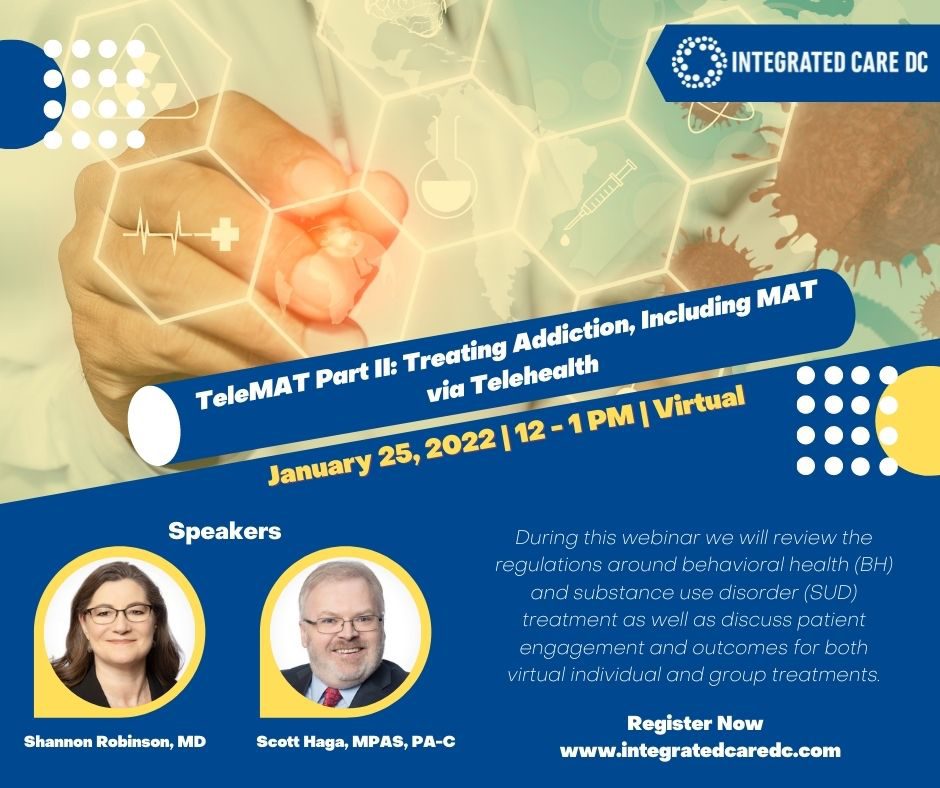
Starting treatment for substance use disorders, like other medical and mental health conditions, requires close follow-up while stabilizing patients, followed by less frequent follow-up after stabilization. The frequency of visits can present an unnecessary barrier to getting care, which can be partially overcome by providing telehealth services. Regulations surrounding Medications for Addiction Treatment have been relaxed compared to years past and now allow for use of telehealth services. We will review the regulations around behavioral health (BH) and substance use disorder (SUD) treatment. Part of the regulatory changes now allow for buprenorphine to be prescribed over telehealth and it is important to become comfortable with the standard of care of home induction of buprenorphine. During this webinar, we will also discuss patient engagement and outcomes for both virtual individual and group treatments. This is the second webinar in a two-part series on Tele-MAT. We will hear from Tele-MAT grantees about their programs, successes and lessons learned during part 1 on January 11, 2021, 12:00pm – 1:00pm ET.
Revenue Cycle Foundations 102 expands your practice’s revenue cycle management capabilities by presenting best practices for claims processing for managed care. Revenue Cycle Foundations Sessions are part of the FREE resources provided by DHCF to help DC Medicaid Behavioral Health practices prepare to transition to participating in the managed care contract. The Revenue Cycle Foundations sessions will enhance DC Medicaid Behavioral Health practices; knowledge and capabilities to bill more efficiently, get paid faster, and resolve payment issues.
Revenue Cycle Foundations 101 provides an overview of revenue cycle management, with an in-depth focus on eligibility, enrollment, credentialing, and authorizations. Revenue Cycle Foundations Sessions are part of the FREE resources provided by DHCF to help DC Medicaid Behavioral Health practices prepare to transition to participating in the managed care contract. The Revenue Cycle Foundations sessions will enhance DC Medicaid Behavioral Health practices' knowledge and capabilities to bill more efficiently, get paid faster and resolve payment issues.
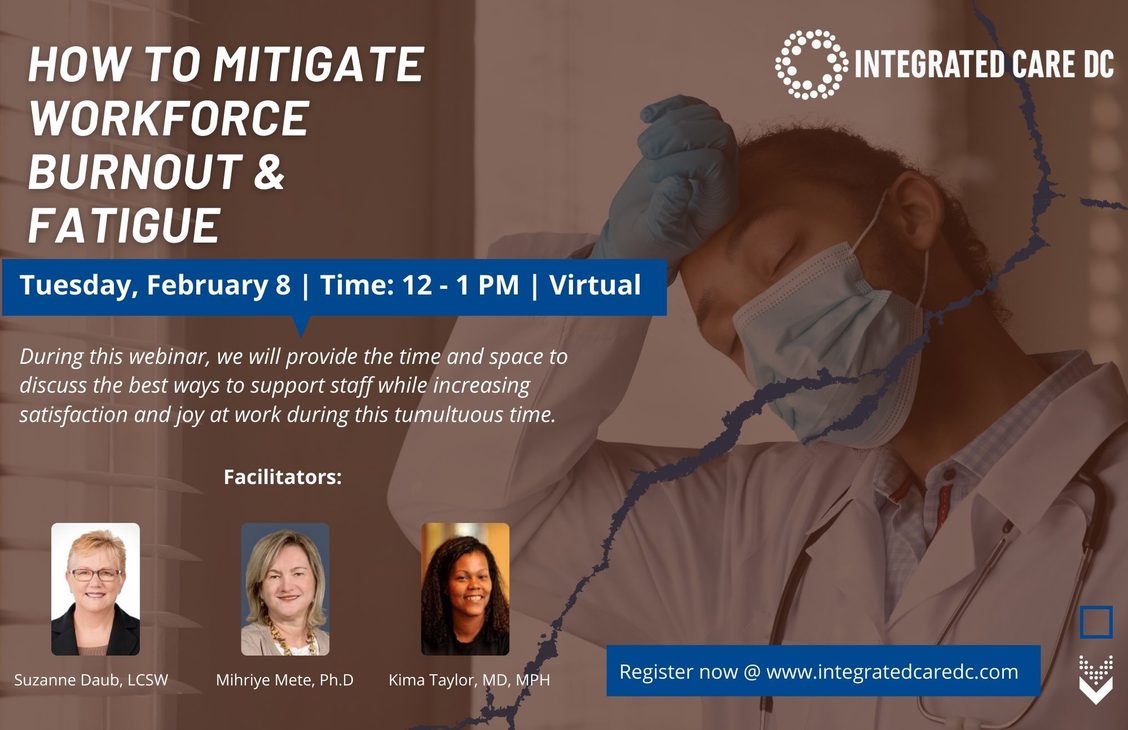
Upcoming Events SOON: January 25 @ 12:00 pm – 1:00 pm TeleMAT Part 2: Treating Addiction, Including MAT via Telehealth February 8 @ 12:00 pm – 1:00 pm How to Mitigate Workforce Burnout & Fatigue RESCHEDULED: February 15 @ 12:00 pm – 1:00 pm...
This one-page self-assessment can be utilized before individual or group MAT appointments; this tool aligns with ASAM criteria allowing the provider to plan for the current session and to aid in treatment planning. With a slight modification, this could also be used by persons not on MAT in preparation for individual or group appointments for substance use disorders. Critical questions required for all telehealth appointments are reviewed, such as the address and phone number where the person can be reached today.
The Department of Health Care Finance (DHCF) awarded grants to local organizations to support new telehealth services for residents in Wards 7 and 8 as well as residents of homeless shelters and public housing developments. These projects connect patients to specialists using interactive audio, video, or other new technology. DHCF also awarded grants to local organizations to support telemedicine services among the District’s medication-assisted therapy (MAT) network of providers, including providers authorized (“waivered”) to treat opioid dependency with buprenorphine. During this session, we will hear from the three Tele-MAT grantees about their programs’ successes, challenges and lessons learned. An overview of Tele-MAT will be provided in part 2 of this series on January 25, 2021, 12:00pm - 1:00pm ET.
The front of this handout reviews what providers need to know, do and have a plan for prior to individual or group telehealth sessions. The back of the handout reviews important features of Zoom (TM) for those staff using Zoom (TM) as a platform for delivering telehealth sessions.