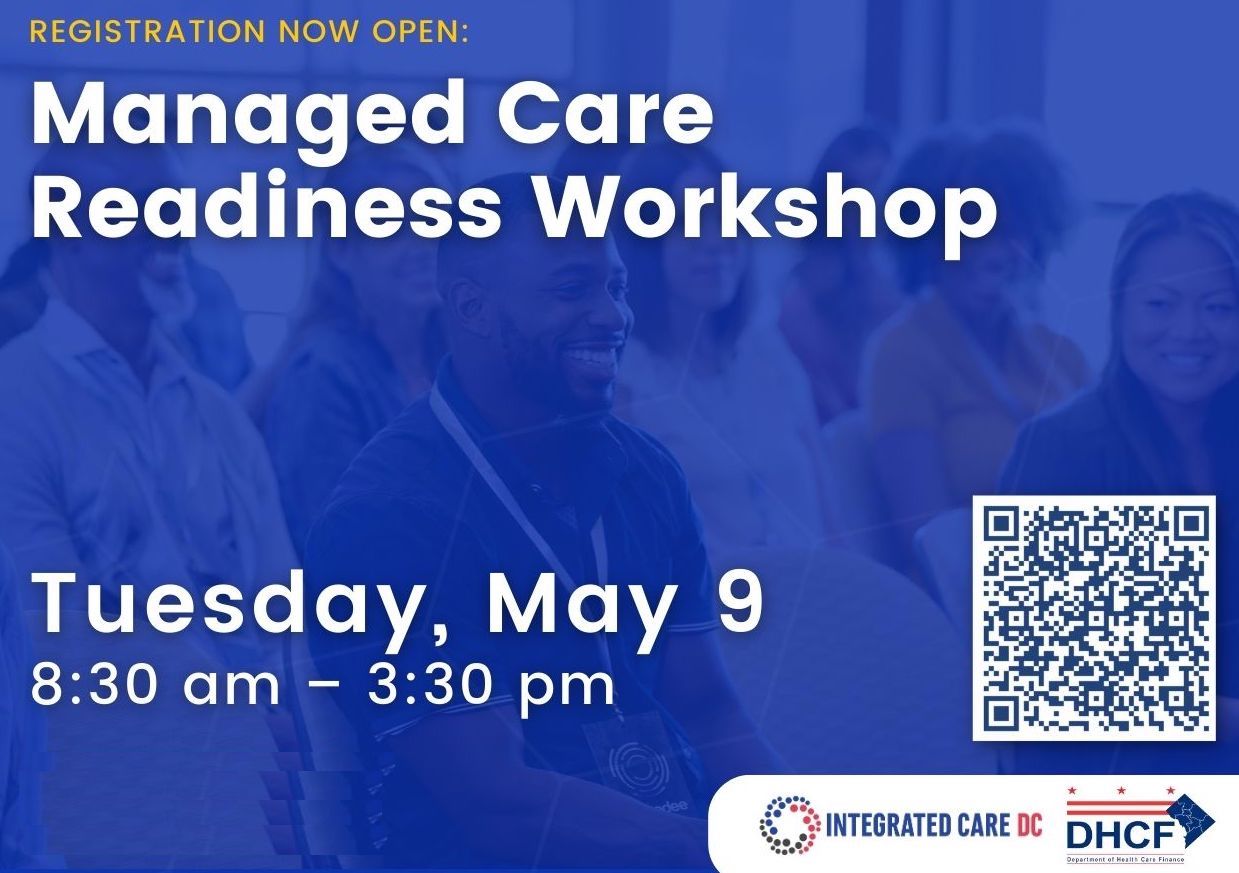
Integrated Care DC Managed Care Readiness (In-Person) Workshop on May 9 Integrated Care DC and the DC Department of Health Care Finance (DHCF) are hosting an in-person workshop for behavioral health providers and other organizations seeking to prepare for the upcoming...
Loss and grief are common and often come up during primary care encounters. Grief can be caused by separations, incapacity, bereavement, migration, job loss, birth, retirement, or professional loss. We will focus on addressing grief related to the loss of a loved one in this webinar. One-third of people affected by loss can experience physical or mental health problems, such as increased risk of heart disease, suicide, psychosomatic disorders, and psychiatric issues. However, loss can also lead to personal growth. Behavioral Health Consultants can help PCPs and patients prepare for grief and build coping skills for better health outcomes.
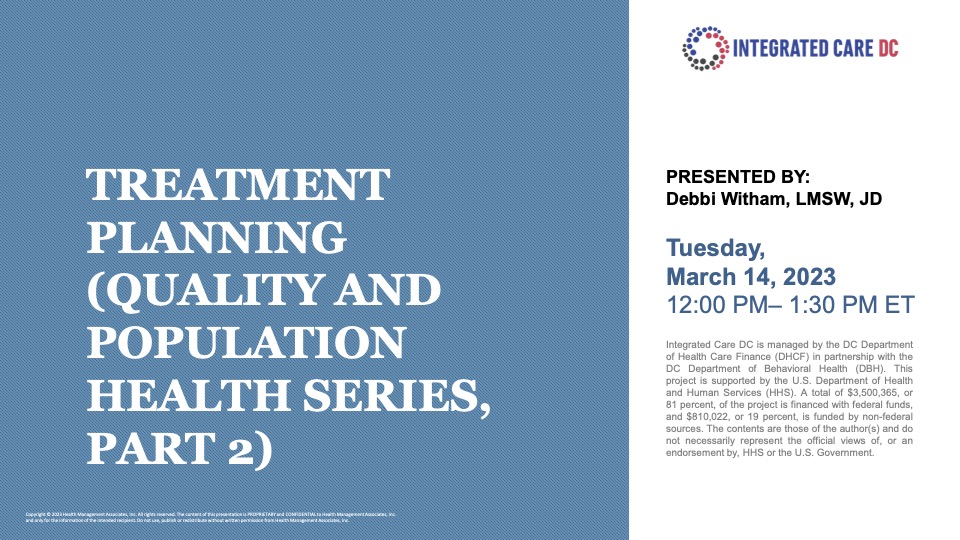
We often think of the treatment plan as a document to complete. However, it can be a tool to engage and empower the person served in their own recovery process. In this interactive webinar we will learn the core components of the treatment planning process from a person-centered and engagement-focused lens.
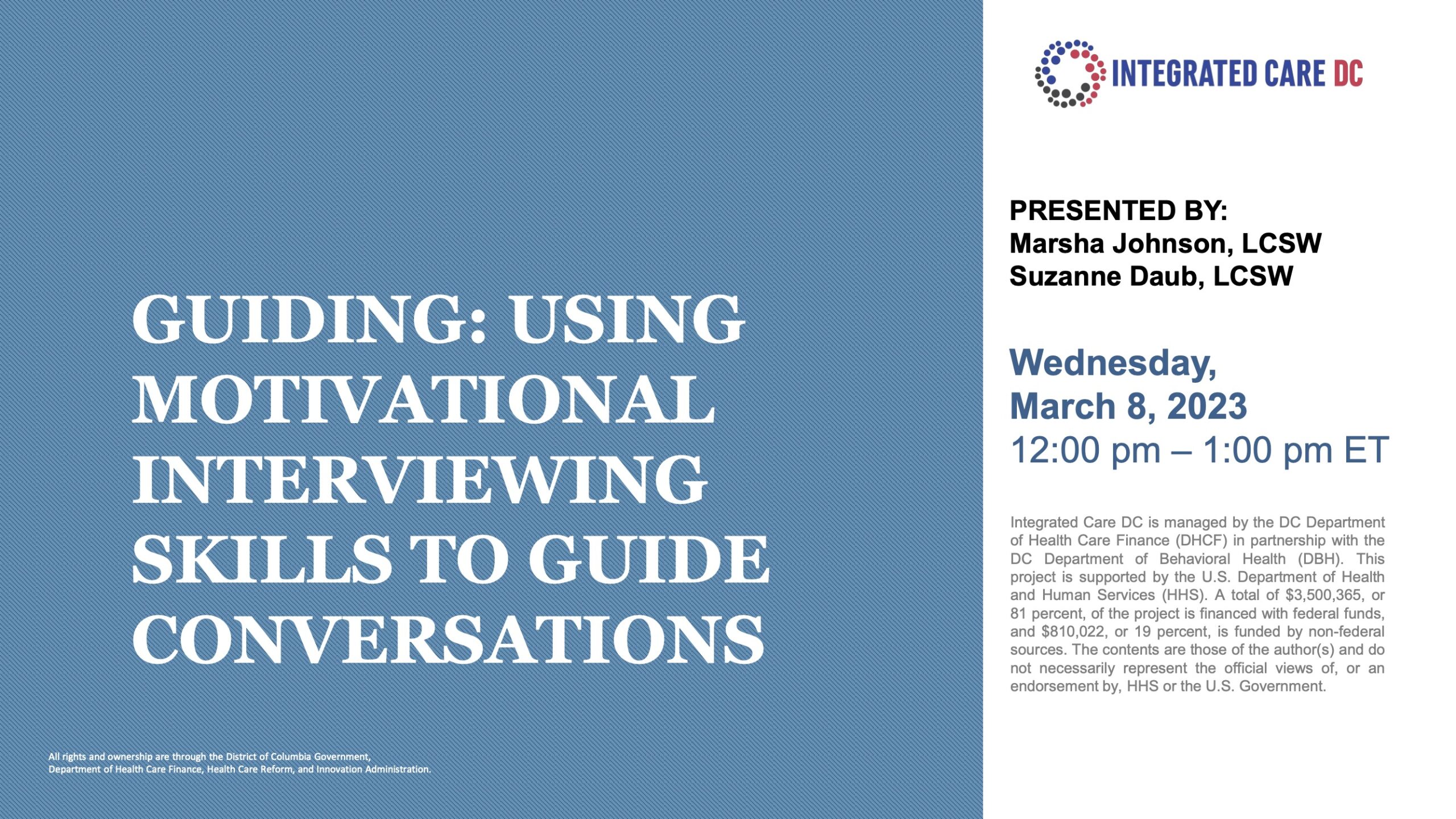
There are three main approaches to helping people make a change, directing, following, and a middle-of-the-road approach of guiding. Motivational Interviewing (MI) promotes guiding as an approach to discovering and uncovering an individual’s motivations, concerns, values, and options. This refresher workshop will provide the opportunity to directly practice using MI skills to build discrepancy and move conversations towards enhancing commitment to change.
The Regional Addiction Prevention (RAP Inc.) is a not-for-profit healthcare provider specializing in evidence-based interventions for treating substance use disorders (SUDs) and co-occurring mental illnesses. The organization recently teamed up with Integrated Care DC...
Understanding, measuring, working to improve quality performance are critical to ensuring that patients have positive outcomes and providers are satisfied—they’re also critical to ensure your practice is meeting its regulatory requirements and maximizing payment opportunities. As the District of Columbia carves in behavioral health care to managed care arrangements and requires more providers to be in value-based care arrangements, it is even more imperative that quality measurement and improvement is understood and infused across your organization—from providers, to leaders, to auxiliary staff.
This two-part series will describe the quality measurement basics and why it matters, and then treatment planning for population health. In Part 1, we will explore why we need to infuse a culture of quality within healthcare organizations, including an understanding of what we value, who we serve, and who we are accountable to. Presenters will emphasize the importance of all staff understanding quality and its impact on our patients, staff and organization. We will review the basics of measurement and key measures in quality focused on integrated care.
Women’s History Month and Mental Health Mental health is vital to women’s physical and emotional well-being, and Women’s History Month is the perfect time to focus on the importance of behavioral health in women’s lives. It is essential to...
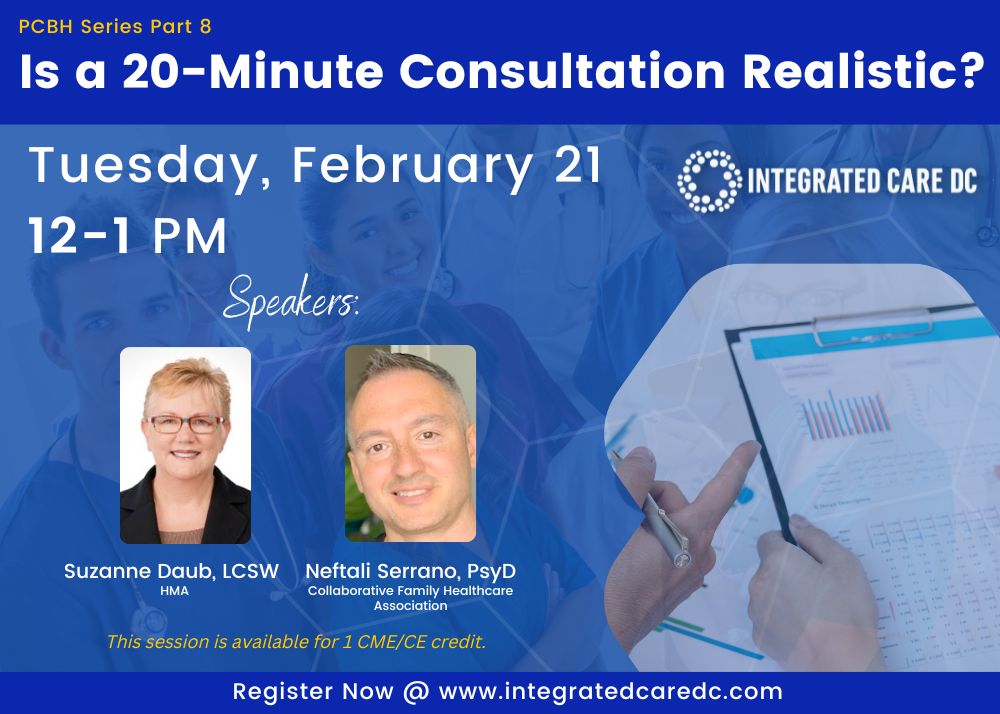
In making the transition from practicing outpatient behavioral health to primary care behavioral health, clinicians often wonder, how can I do my work in 20 minutes, and is it really possible to make a meaningful difference in this amount of time? This training answers this question directly by simulating a 20 minute behavioral health consultation and discussing as a group each stage of the encounter, best practices, and the strengths and challenges that arise.
In this issue: Upcoming Lunch and Learn Sessions Practice Spotlight: Community Wellness Ventures Integrates Data to Support Care Resources for Black Mental Health and Wellness Latest from Learning Library In Case You Missed It…CRISP DC Consent Tool Dive into a...
In this first workshop, will spend the majority of the time directly practicing foundational OARS skills to evoke interest and commitment to making health behavior changes.