Sustainable Trauma Treatment: How Accelerated Resolution Therapy can be Utilized in a PCBH Setting to Effectively Treat Trauma (PCBH Part 7)
Evidence-based modalities developed to treat trauma are commonplace in outpatient behavioral health practices, but we often struggle to adapt these therapies to the integrated care setting where brief intervention is common. In this session, we will present Accelerated Resolution Therapy (ART) as a useful tool for treating trauma in an integrated setting. Accelerated Resolution Therapy has been shown to achieve benefits rapidly, usually within 1-5 sessions, and is effective in treating PTSD and complex trauma as well as other mental health problems such as anxiety, depression, phobias, grief, chronic pain, and relationship issues. We will explore the basics of Accelerated Resolution Therapy, highlight examples of how it has been used effectively in the primary care setting, and discuss both benefits and barriers to implementing this modality. We will focus on the compatibility of this therapy as a brief intervention within the PCBH model and the particular benefit of sustainability as Accelerated Resolution Therapy reduces exposure to vicarious trauma – critical to clinician self-care and preservation in these trying times.Allowing Data to Tell a Story: Relevant Metrics to Help Reflect the Infinite Values of Integrated Healthcare (PCBH Part 6)
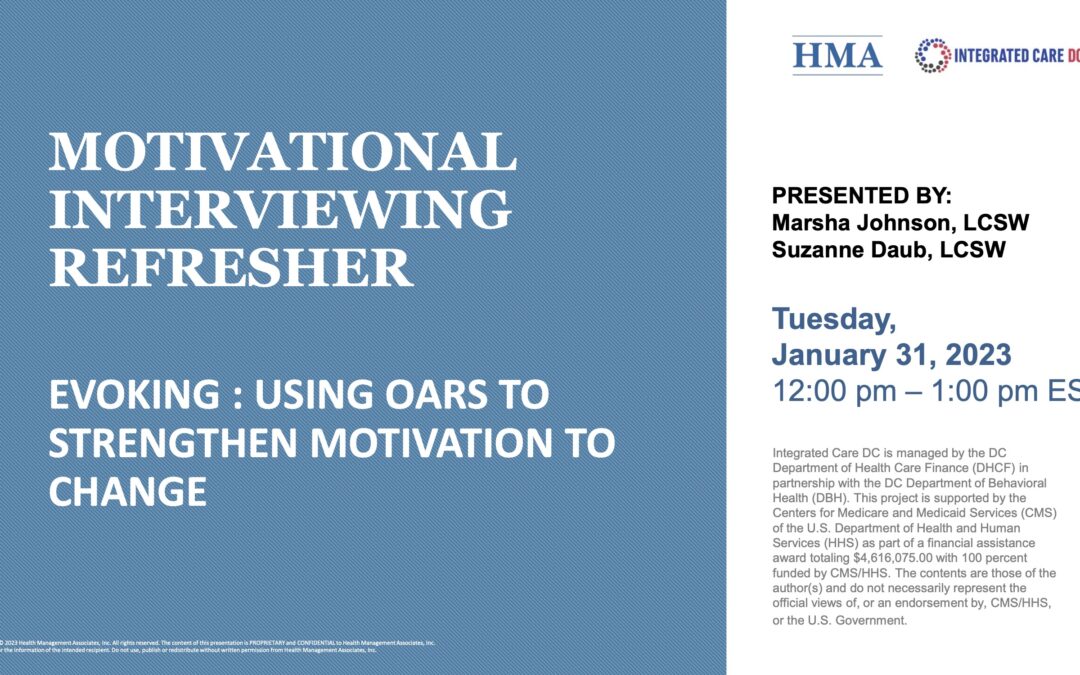
As healthcare centers around the country further embrace data and metrics, integrated primary care behavioral health programs must incorporate data to reflect the value of work being done. In this webinar, attendees will learn about primary data and metric points and the importance of ensuring that data tells a story and reflects the infinite values of health systems, rather than becoming finite goals.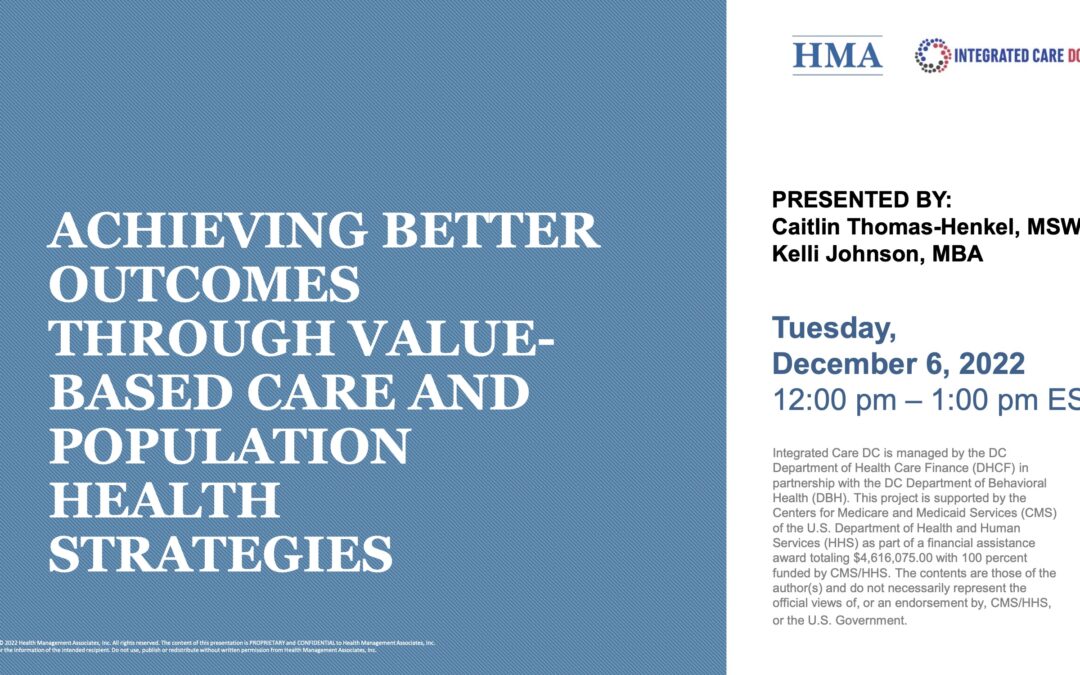
Achieving Better Outcomes Through Value-Based Care & Population Health Strategies (LAN Framework Part 2)
During this webinar, presenters discussed how proactive approaches to value-based care, including the use of VBP models, can improve individual and population health outcomes while enhancing efficiencies and reducing total costs. We also featured AmeriHealth’s new care coordination dashboard focused on helping providers close care gaps and achieve better patient outcomes.Behavioral Health Consultation: Handling Behavioral Health Emergencies in Primary Care (PCBH Part 5)
Managing emergencies is challenging in a high-volume, fast-paced environment. This webinar addresses the ways that BHCs and the primary care team can effectively and efficiently address emergencies.Viewing Time 60 Minutes
Understanding Value-Based Care & Value-Based Purchasing (LAN Framework Part 1)
During this webinar, participants will be able to identify the foundations of value-based care and the Health Care Payment Learning & Action Network (HCPLAN or LAN) value-based payment (VBP) framework. The presentation will also include the Department of Health Care Finance’s VBP strategy.It’s a Matter of Context & Compassion: Utilizing Contextualism to Promote Engagement and Health Behavioral Change (PCBH Part 4)
The session will address the realities of health behavioral change and subsequent adherence in integrated, primary care settings, and key lifestyle interventions and recommendations that transcend many evidence-based guidelines for chronic conditions (e.g., diabetes, hypertension, etc.). The session will discuss the importance of filtering evidence-based medicine guidelines through the prism of contextual and compassionate healthcare to increase the probability of patients embracing and implementing such interventions.
From Beginning to End: A Case-Based Experiential Session About Advance Care Planning (Advance Directive & Person-Centered Care Planning Series 3)
This case-based, hands-on session will allow physical and behavioral health professionals to walk through the steps of engaging patients with different presentations and personalities in Advance Care Planning, codifying their wishes in Advance Directives, and making those Advance Directives accessible on the health information exchange. The session’s experiential design will help providers consolidate their skills, increase their comfort and confidence, and feel inspired to approach patients about Advance Care Planning with new ideas and tools. It will include ad hoc case discussions and time for providers to raise questions and concerns.Making Brief Interventions Radical: Infusing focused Acceptance & Commitment Therapy Integrated Primary Care (PCBH Part 3)
This webinar discusses the concept of functional contextualism and the impact this philosophy has on the therapeutic orientation of focused Acceptance and Commitment Therapy (fACT). Specifically, the session will present fACT concepts such as the Contextual Interview, philosophical underpinnings, and influences of psychological flexibility. The session will also cover the philosophy of functional contextualism/fACT fits well within the Primary Care Behavioral Health philosophy.
Overcoming Patient Reluctance & Provider Discomfort to Engage in Advance Care Planning (Advance Directive and Person-Centered Care Planning Series 2)
Among the many barriers to Advance Care Planning, patient reluctance and provider discomfort play large roles. In this highly interactive workshop, we’ll discuss concrete behavioral strategies for overcoming the fears that prevent patients from planning for end-of-life care or times when they are incapacitated. Specific topics include employing the spirit of Motivational Interviewing, normalizing doubts, and helping patients understand the benefits for their family members when they decline to plan. The importance of codifying patient wishes and uploading them to health information exchanges through AD Vault will be stressed. Case illustrations will be used throughout.
The Basic Basics of Advance Care Planning—What It Is, Why It’s Helpful, & How to Ensure It Matters (Advance Directive and Person-Centered Care Planning Series 1)
This interactive webinar will cover several key topics: clarifying the purpose and processes of Advance Care Planning; its importance for patient self-determination and reducing healthcare costs; providers’ roles as trusted guides in engaging patients in planning; and technological solutions for ensuring Advance Directives are widely downloadable when most needed. CRISP DC’s AD Vault will be introduced. Case illustrations will be used throughout.Consent to Share Substance Use Disorder Information: Office Hours (Consent Management Series 3)
This session will provide an open opportunity for DC Primary Care and Behavioral Health providers, practice administrators, care managers to drop in with questions or technical assistance requests. In this session, we will follow up on any questions or issues raised and unanswered in the first two sessions.Behavioral Health Consultation: Planning with the Patient (PCBH Part 2)
Every behavioral health care visit concludes with a plan that engages patients in active self-management. This webinar covers the steps to creating a collaborative plan with the patient that they can confidently implement between visits.Consent to Share Substance Use Disorder Information: A Provider’s Experience (Consent Management Series 2)
DC-based Medical Home Development Group, which successfully piloted CRISP DC HIE’s consent management tool, will discuss how it used the tool in its workflow and lessons learned. CRISP DC will also join the session to highlight key features and benefits of the consent management tool.Consent to Share Substance Use Disorder Information: The Basics (Consent Management Series 1)
This session will focus on enhancing care coordination for patients with SUD and the importance of gaining permission to release information. We will review scenarios such as: A 35-year-old patient is seeing her PCP. The patient has Type I diabetes and has been much better controlled since she has been in treatment for OUD for the past 5 years. Recently, the patient experienced some life stressors, lapsed and has not been back to treatment for two weeks. A 60-year-old patient has just recently started treatment for co-occurring depression and AUD after discussing treatment for many years with the PCP. He has hypertension and diabetes, and the alcohol use has been exacerbating these conditions for years. The PCP is concerned about the patient’s ability to stay in treatment as the patient has recently lost his job and is separating from his partner of many years. Staying informed of a patient’s recovery status can impact how you treat other health conditions and is an important component of their overall care. Have you hit barriers when trying to get the clinical information you need care for your patient? Are you aware of the new pathway to obtain this information? In this session, we will focus on consent management, how to talk with your patients about consent, the basics of 42 CFR Part 2, myth busting, use cases, and FAQs. We will introduce CRISP DC’s Consent Management tool, including a history of its development, gaps it will address, and key features and why this is a priority in the District.Behavioral Health Consultation: The Structure of the Visit (PCBH Part 1)
This highly interactive webinar will address the structure of the BHC visit from PCP screening for behavioral health conditions and implementing a warm handoff to the steps BHCs take when conducting a rapid and targeted functional assessment.What does it take to create a path towards incentive payment? (Understanding Primary Health Requirements for Incentive Payments Part 2)
A provider will demonstrate how it has decided to use the tools provided by AmeriHealth to start looking at integrated care outcomes. There will be time for audience questions and answers after a brief presentation.
Fentanyl: Is it Different From Other Opioids? (Harm Reduction Session Part 3)
Fentanyl continues to have an increased presence in the drug supply necessitating reconsideration of prevailing treatment approaches for OUD. This session will explore inadvertent exposure and aspects of OUD treatment that may require updating given the high level of fentanyl now experienced in DC.Understanding How and Why Providers and Payers are Using Incentive Payments as a Tool to Improve Integration (Understanding Primary Health Requirements for Incentive Payments Part 1)
We will talk with Dr. Yavar Moghimi, Chief Psychiatric Medical Officer of AmeriHealth Caritas about why integrated care is important and the ways AmeriHealth is working with providers to identify and ultimately achieve key physical and behavioral health outcomes. There will be time for audience questions and answers after a brief interview-style presentation.Help! We’re so Short Staffed: Best Practices for Hiring and Retaining Your Workforce
Vice President of Human Resources at Mount Sinai Health System in NYC and Dr. Mary Awuonda Associate Professor of Howard University and Dean Mashonda Smith of UDC will be share lessons learned in the district and other large health systems. The aim of the conversation is to talk and learn from one another to develop solutions grounded in the realities of the Washington DC policy, regulatory and health care environment.Providers Responsibility in Managing Medical Conditions: Making Clinical Improvements & Meeting Quality Metrics
What’s the link between pay for performance and healthy eating on a budget? What about the link between quality metrics and understanding nutrition labels? These are all related topics that providers and practices address every day! Care teams work 1:1 with patients to better manage their chronic diseases while at the same time, measuring and reporting outcomes that are related to payments and incentives. During this webinar, we will make the connection between patient engagement strategies and meeting quality metrics. This webinar is designed for ALL AUDIENCES as everyone has a role in providing high-quality care- from the exam room to the boardroom. Prior to the webinar, we invite you to view this short video “Bites on a Budget” created by HMA Senior Associate, Brandin Bowden, MSc., as he attempts to build a healthy dinner for under $5. In this #HealthyDinnerChallenge, Brandin puts on his nutrition educator hat to share healthful tips to help your patients and clients navigate the grocery store, increase nutrient intake and promote comfort in the kitchen.