Untreated drug and alcohol use contributes to tens of thousands of deaths every year and affects the lives of many more people. We have effective treatments, including medications for opioid and alcohol use disorders, that could prevent a significant number of these deaths, but they are not being utilized widely enough, and people who could benefit often do not even seek them out. One important reason is the stigma around those with addiction.
When two disorders or illnesses occur in the same person, simultaneously or sequentially, they are described as comorbid.
Comorbidity also implies that the illnesses interact, affecting the course and prognosis of both.1,2 This research report provides information on the state of the science in the comorbidity of substance use disorders with mental illness and physical health conditions.
This handout offers background information and tips for providers to keep in mind while using person-first language, as well as terms to avoid to reduce stigma and negative bias when discussing addiction. Although some language that may be considered stigmatizing is commonly used within social communities of people who struggle with substance use disorder (SUD), clinicians can show leadership in how language can destigmatize the disease of addiction.
Collaborative Care (CoCM) is a specific type of integrated care developed at the University of Washington that treats common mental health conditions such as depression and anxiety that require systematic follow-up due to their persistent nature. Based on principles of effective chronic illness care, Collaborative Care focuses on defined patient populations tracked in a registry, measurement-based practice, and treatment to target. Trained primary care providers and embedded behavioral health professionals provide evidence-based medication or psychosocial treatments, supported by regular psychiatric case consultation and treatment adjustment for patients who are not improving as expected.
Burnout is common in healthcare and has increased during the Covid 19 pandemic. This brief presentation defines burnout and it's consequences. Building resilience is a strategy to reduce and prevent burnout. The presentation defines resilience and provides tips in increase personal resilience and organizational resilience.
Adolescents are at the highest risk for experiencing health problems related to substance use. This resource provides an overview of screening adolescents for substance use disorders including assessments and tips.
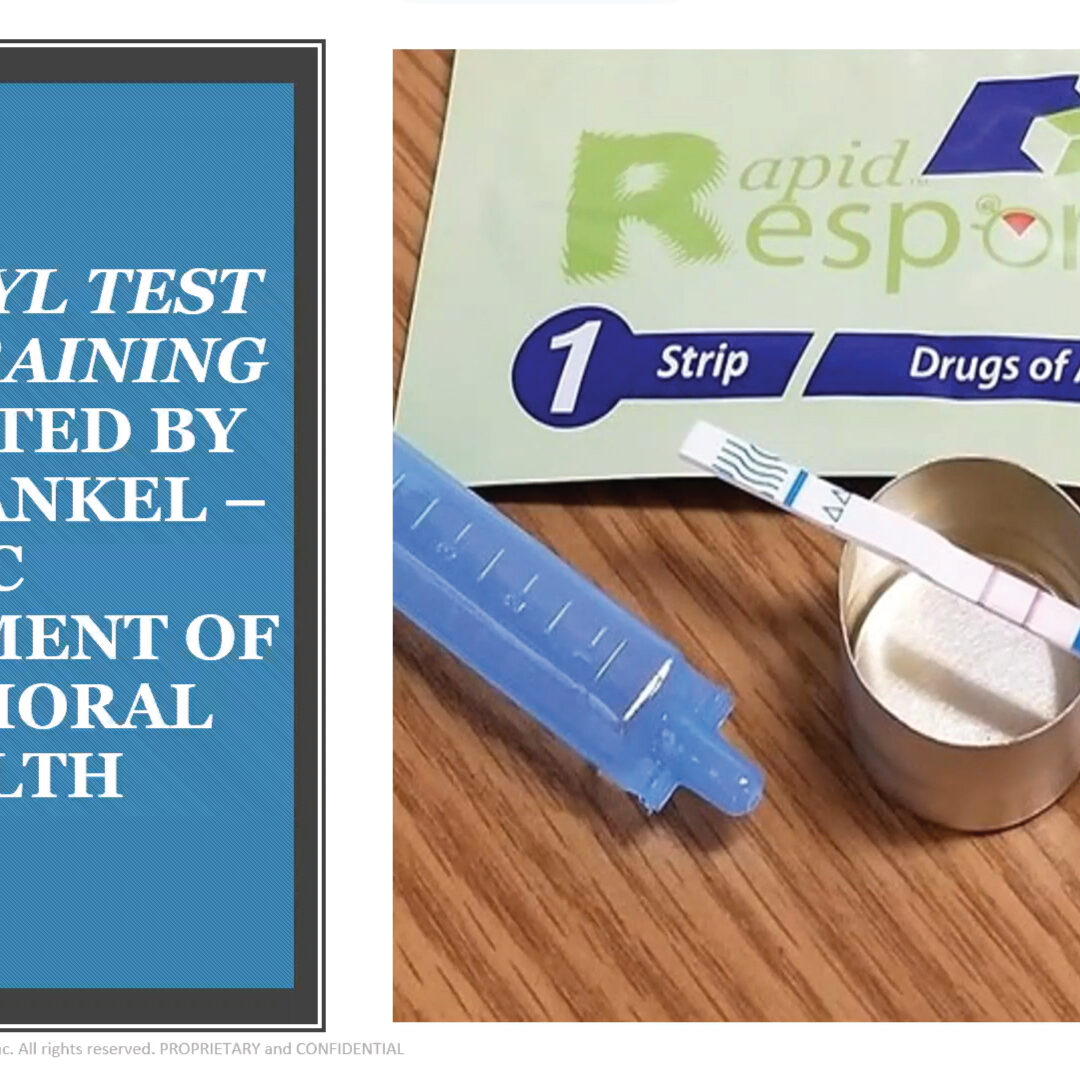
This brief video provides an overview of fentanyl strip testing to identify the presence of fentanyl in unregulated drugs for people who use drugs (PWUD). It also includes a brief demo of how to use fentanyl test strip testing to detect the presence of fentanyl in their drug supply.
Testing for fentanyl test strips can identify the presence of fentanyl in unregulated drugs. They can be used to test injectable drugs, powders, and pills. Being aware if fentanyl is present allows people to implement appropriate harm reduction strategies to reduce the risk of an overdose.
Presented by Sari Frankel, DC Department of Behavioral Health.